

While most wine drinkers cluster around just a handful of grape varietals—Chardonnay, Sauvignon Blanc, Cabernet Sauvignon, Merlot, Pinot Gris/Grigio—there are hundreds if not thousands of grape varietals, many of which are indigenous to specific countries or even regions. Italy is the preeminent example, with an estimated 500+ officially identified grape varieties—more than any other nation.
Some of these undersung indigenous grapes offer wine styles that are uncommon — or that might be expensive when made from the usual suspects. A lot of people love Pinot Noir and the silky mouthfeel and lighter tannins it provides. However, Pinot Noir is hard to grow, and hard to make, and thus carries a premium for anything decent. But it’s not the only game in town for light, low-tannin red wines. Enter Schiava.
I first got introduced to the Schiava grape while at Forsythia, a NYC Italian restaurant specializing in handmade pastas (and recommended to visit). I was in search of a red wine that was low in tannin to please my wife. Aromas were light — think red berries and a bit of candy — but there was still enough tannin that you wouldn’t confuse it with a hearty rosé.
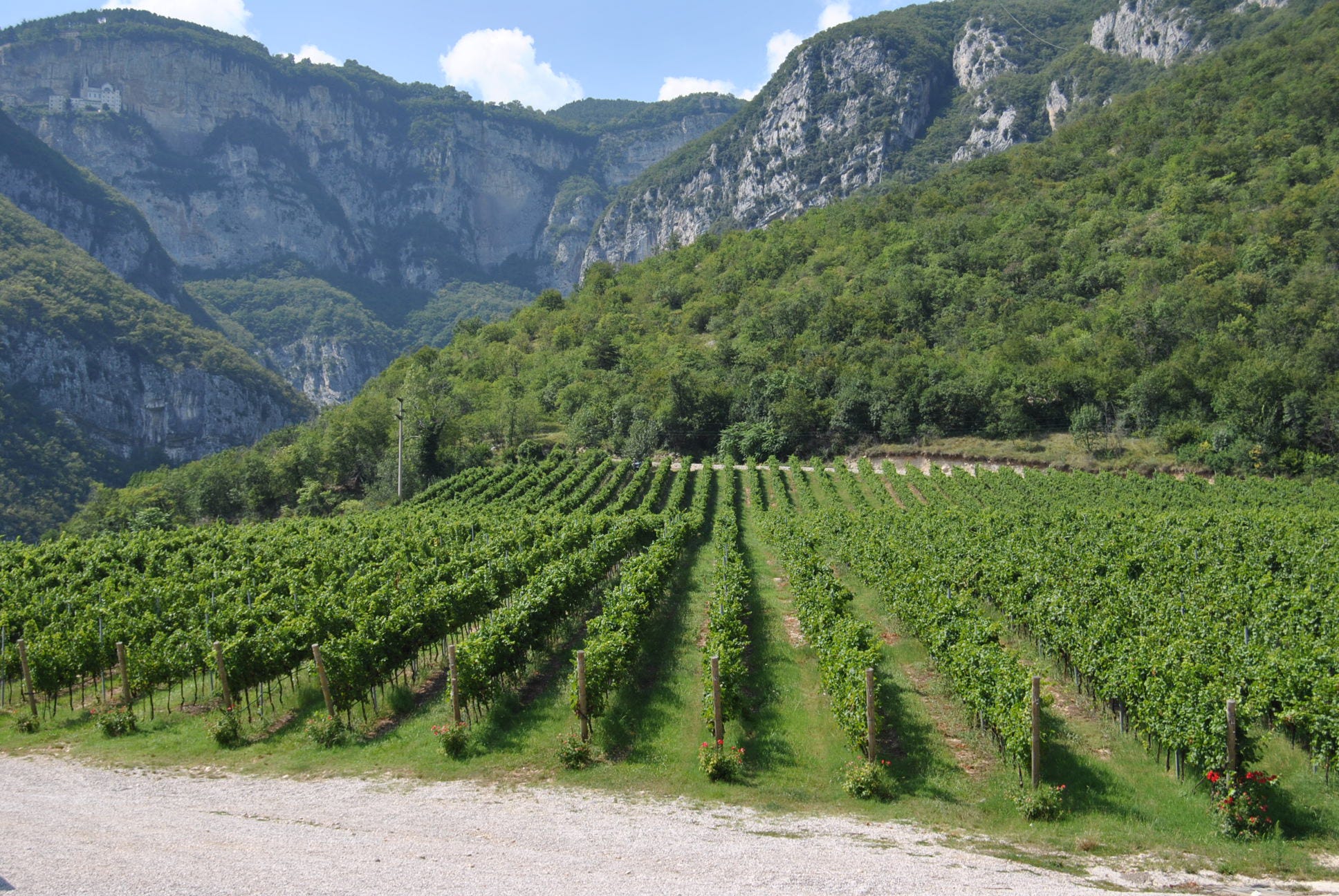

Schiava hails from the Trentino-Alto Adige region in northeast Italy, and the area was formerly a part of the Austrian Empire. World War I changed things politically, but this dual identity of Italian and Austro-Hungarian still permeates the region. It also explains the other name for this grape, Vernatsch.
By the late 1800s and early 1900s, the first winery cooperatives formed in Alto Adige (Andrian, Terlan, and Neumarkt all in 1893). Now there are about a dozen cooperatives and together they produce some 70% of all wine in the region. In the US, Andrian and Terlan (now one cooperative with separate brands) wines are relatively easy to source and continue to win respectable scores amongst the wine critics and trade magazines. Like many of Italy’s wine regions, Trentino-Alto Adige entered a second rebirth in the 1970s when it was included and codified into the DOC and DOCG system. In the 1980s, a focus on single vineyard wines corresponded to an increase in quality and an effort to curb yields. Curbing yields matters for Schiava as it is a vigorous grape (like its spiritual cousin Cinsault).
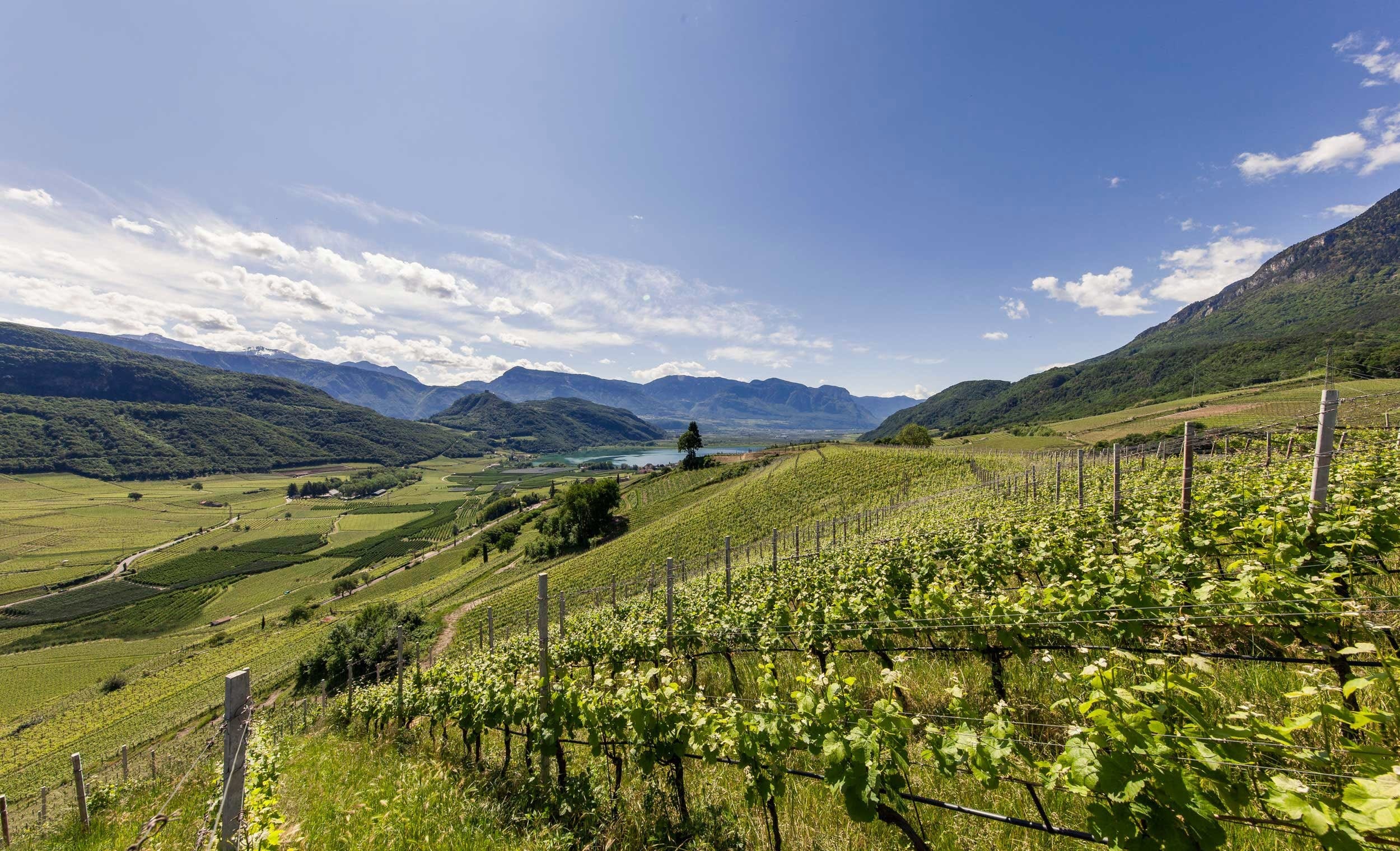
The tricky thing about Schiava: it’s not a single grape, but rather a family of closely related grapes. The principal three are Schiava Gentile, Schiava Grossa, and Schiava Grigia, but there are up to ~10 recognized sub-varieties in the Schiava family. By my research, the sub-varieties are often interplanted in vineyard and co-fermented to make a single “Schiava” wine.
I recently picked up three examples to better understand the grape. Let’s see if any really sparkle. Unfortunately, I couldn’t tell if any were of a specific sub-varietal of Schiava.
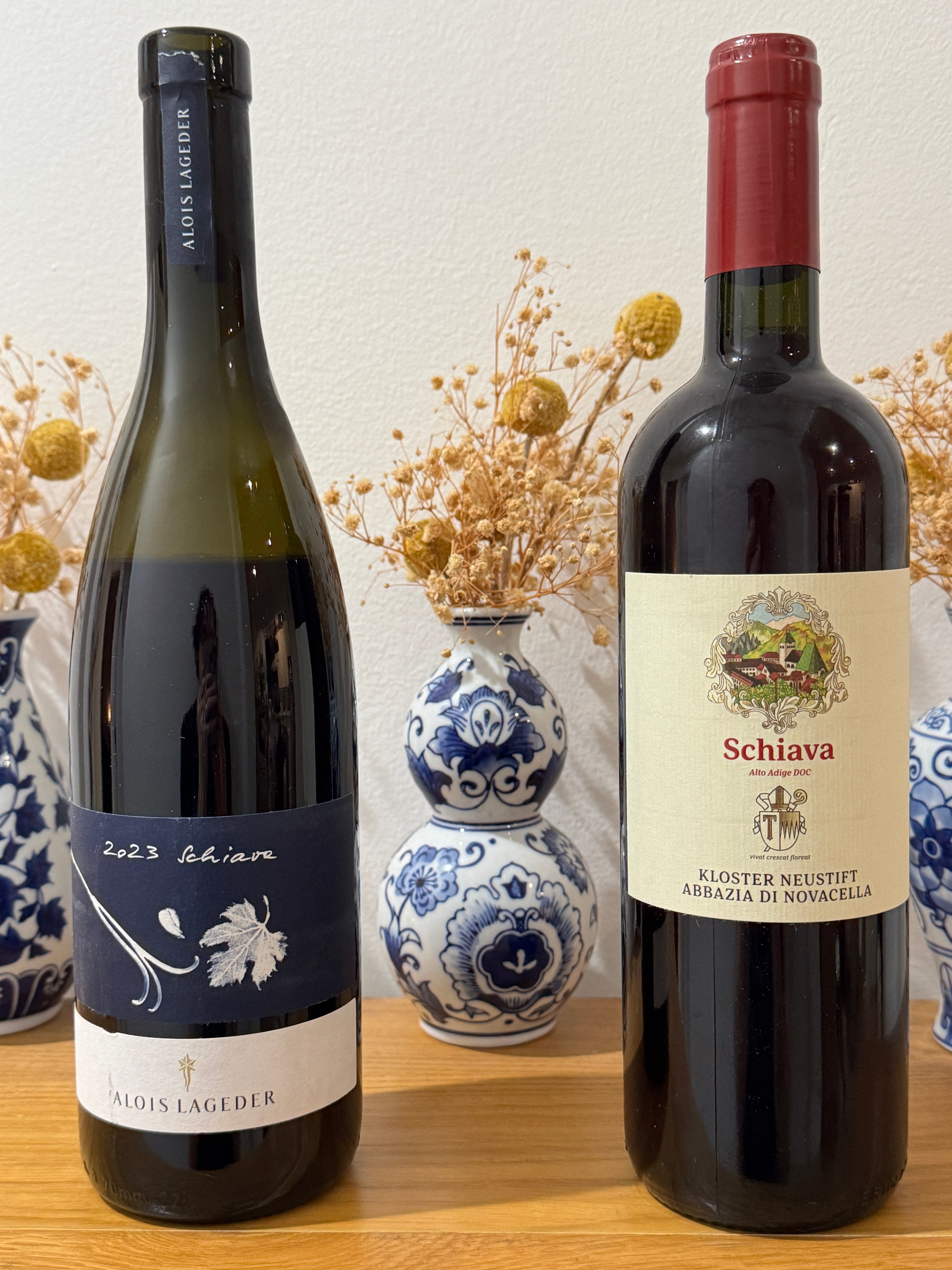
Alois Lageder 2023 Schiava – More Technical Info Here – Translucent, as Schiavas typically are. The nose is a bit of a letdown. Mulch, windswept leaves, and dried ham. Some raspberry poking through. The palate is livelier with the raspberries and cherries reappearing, apple cider vinegar, and salt. The finish closes out with some stemmy tannins and that salt reappears. The off notes and lack of focus on the nose, coupled with the tough tannins, make this a hard wine to enjoy. 83/100
Kloster Neustift Abbazia di Novacella Schiava 2023 – More Technical Info Here – Translucent and with some ruby undertones. Much better nose by comparison. Bright raspberry and a touch of strawberry. Easygoing and fruity on the palate with nice acidity to keep things bright—dried apple, raspberry, and apricot. The finish is gently bitter with mild tannins. A pleasant, if uneventful Schiava. 86/100
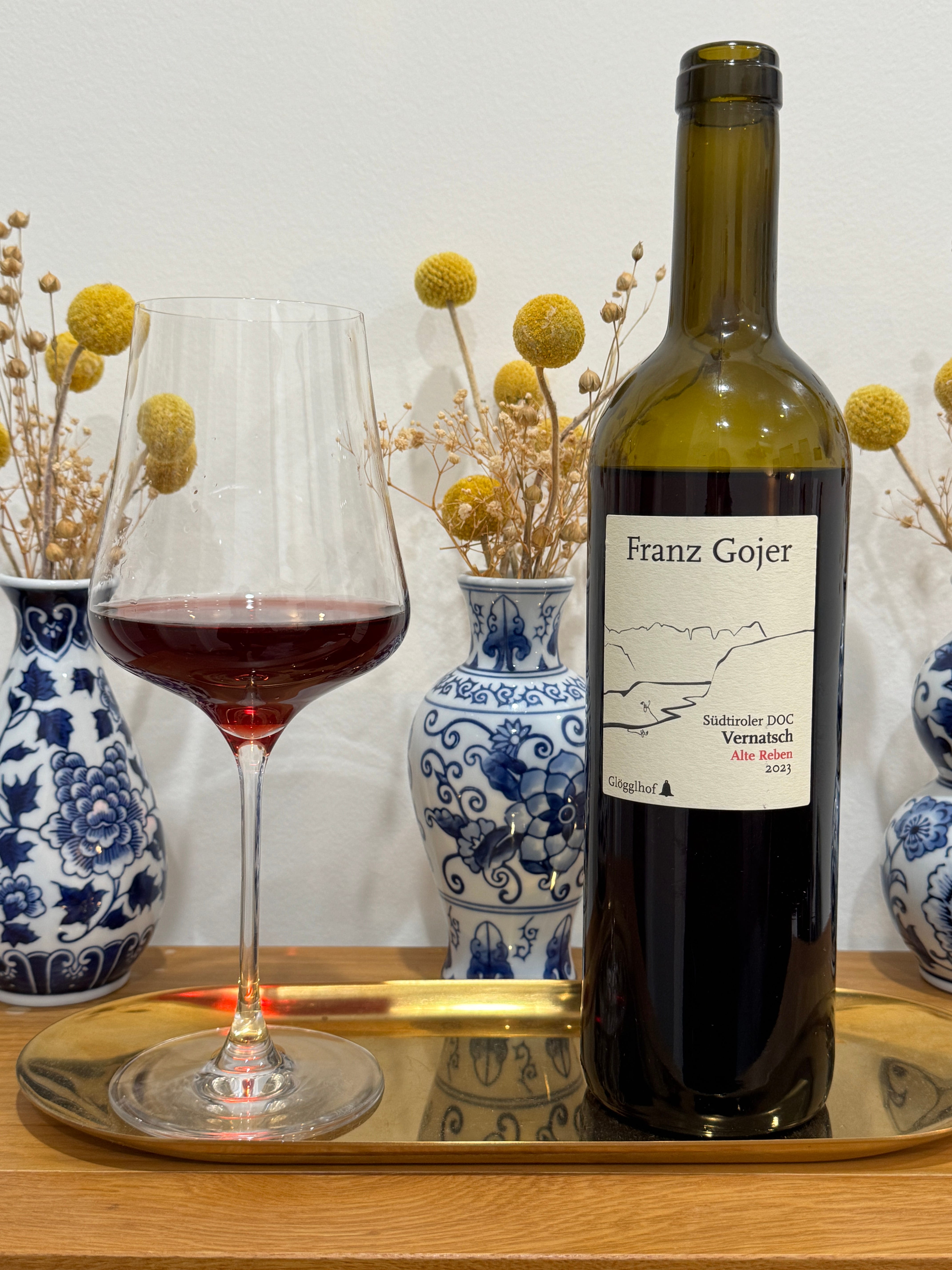
Franz Gojer Vernatsch Alte Reben 2023 – More Technical Info Here – On the nose there’s a richness to this the others lacked. Jammy raspberries lead the way followed by licorice, and floral accents. A smoky meatiness though that faded with some air. On the palate this is silky and soft with more raspberries, a bit of cherry, and some nutmeg. The finish continues on the same thread with just a wisp of tannins. Very clean, and sort of like Pinot Noir had a baby with Cinsault. It’s missing some complexity, but still enjoyable — and it was my wife’s favorite of the trio (“You can buy this again”). 90/100
Sometimes exploring uncharted territory can lead to a mixed bag. It’s vital to your wine journey to learn about producers, styles, or even vintages that you don’t care for much. I’m not going to write off Alois Lageder or Abbazia di Novacella, but it’ll definitely be a try-before-buy.
As for Schiava/Vernatsch, I have only had about eight so far, but I believe the grape has real potential — especially as producers continue to dial in lower yields and experiment with how they utilize the sub-varieties. The grape sits at a simple, easygoing intersection between Pinot Noir, Cinsault, and Gamay, and is only in the early stages of its revival.
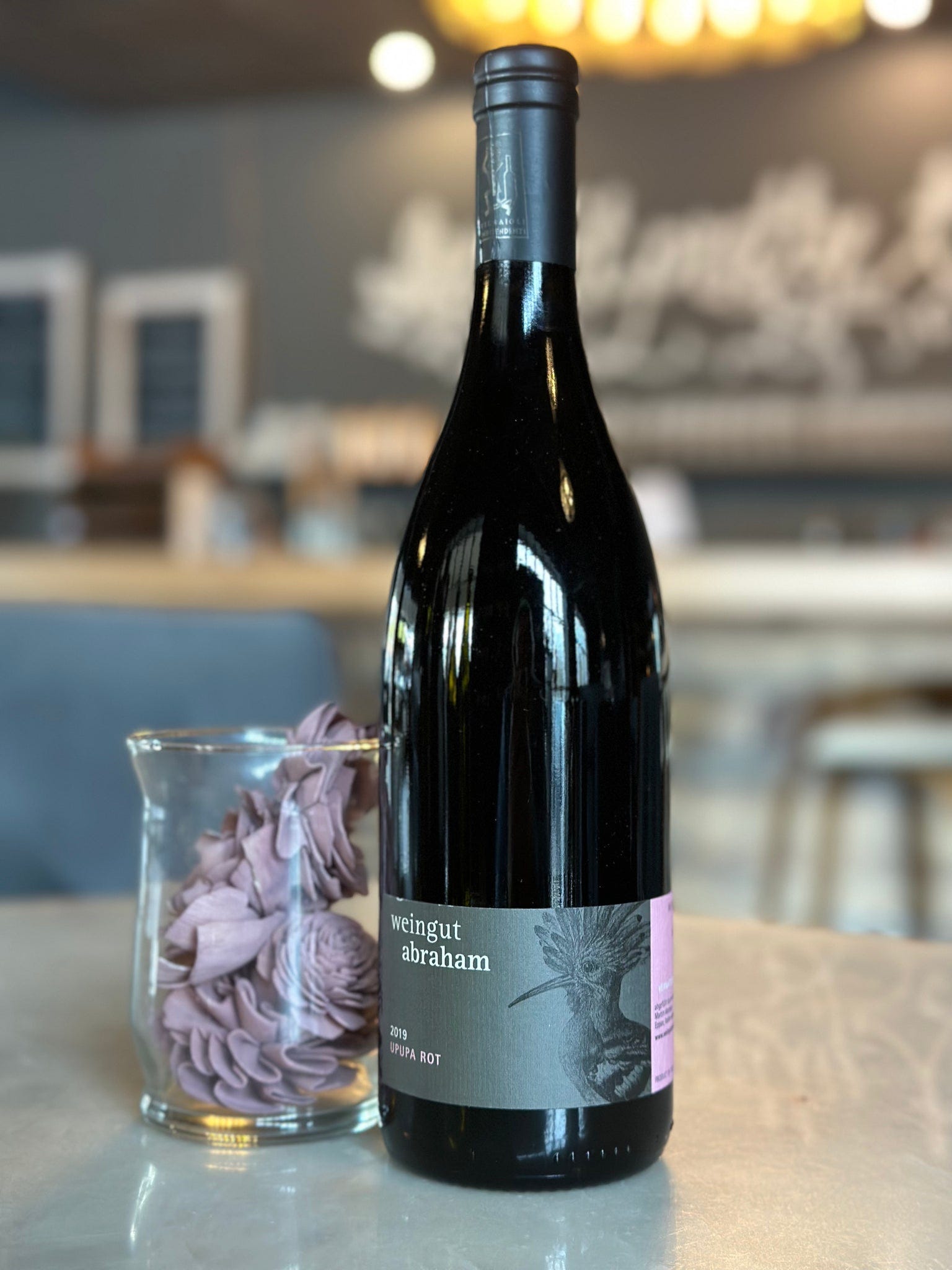
The best Schiava I’ve had so far is the Upupa Rot from Weingut Abraham (there’s the Germanic influence). It’s predominately Schiava but, depending on the vintage, they include some Pinot Noir for balance (<10%). But the Franz Gojer was quite close in quality for what it’s worth!
Have a favorite Schiava? Tell us below!
This is another interesting and expansive article. WHO knew there were so many varietals. The Franz Gojer sounds the best to me too.